Culinary Uses & Everyday Applications
This USDA Choice ribeye steak is a versatile, well-marbled cut suitable for a range of high-heat and precision cooking methods:
🥩 Pan-Searing (Cast-Iron)
Ideal for high-heat cooking in a heavy pan. Finishing with butter-basting (arrosé) enhances surface browning, develops rich flavor, and helps gently cook the upper surface while encouraging surface fat rendering.
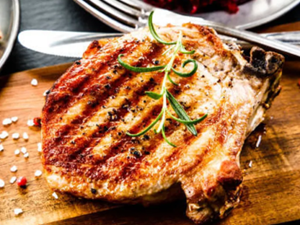
🔥 Charcoal or Gas Grilling
A ~1-inch thick ribeye performs well over direct high heat. The exterior develops a seared crust while internal fat renders, contributing to flavor and juiciness. Charcoal or wood fire can add a subtle smoky profile.
🌡️ Reverse-Sear & Sous Vide
Cooking at low temperature first (oven or water bath), followed by a final high-heat sear, promotes more even doneness.
Typical sous vide pre-sear target: 48–52°C (118–125°F) for the medium-rare range before searing.
How to Cook Ribeye Steak
01Tempering (Post-Thaw): Remove the fully thawed steak from packaging and pat dry thoroughly. Let rest at room temperature for 20–30 minutes. While it will not fully equalize internal temperature, this reduces surface chill and improves searing efficiency.
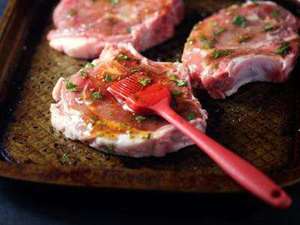
02Seasoning: Lightly coat with oil (optional) and season generously with coarse salt and black pepper. Additional seasonings such as garlic powder may be used. Press seasoning onto the surface for better adhesion.
03High-Heat Searing: Preheat a pan or grill until very hot (light smoke visible). Place the steak and cook undisturbed for 2–3 minutes per side, depending on thickness, to develop a browned crust via the Maillard reaction.
04Butter Baste with Herbs: Turn the steak, then add butter, crushed garlic, and fresh herbs to infuse it with extra flavor while cooking. Tilt the pan and baste continuously to enhance surface flavor and aid heat transfer. Note: basting primarily affects the outer layers rather than penetrating deep into the meat.
05Internal Temperature Control: Use an instant-read thermometer inserted into the thickest part. Remove the steak 2–3°C below target doneness, as internal temperature will rise slightly during resting (carryover cooking).
Featured Recipe: Classic Bistro Butter-Basted Ribeye
Ingredients:
Directions:
01Pat steak completely dry. Season evenly with salt, pepper, and optional garlic powder.
02Heat oil in a heavy skillet over high heat. Sear steak for 2–3 minutes per side until a deep brown crust forms.
03Lower heat slightly. Add butter, garlic, and herbs. Baste for about 1–2 minutes, until desired doneness is reached. Medium-rare target: 52–54°C (125–130°F) after resting.
04Remove the steak when the internal temperature is approximately 49–52°C (120–125°F). After resting, it will typically reach about 52–54°C (125–130°F) for medium-rare.
Nutritional Highlights
- Energy-Dense Raw Profile: Provides approximately 254 kcal per 100 g, reflecting ribeye’s natural marbling and relatively high fat content compared to leaner beef cuts.
- Carbohydrate-Free Composition: Contains 0 g carbohydrates, fiber, and sugars, consistent with fresh, unprocessed beef.
- High-Quality Complete Protein: Delivers 18.8 g of complete protein per 100 g, supplying all essential amino acids required for muscle maintenance and normal physiological function.
Naturally Occurring Fats: Contains 20.0 g of total fat, including approximately 8.0 g of saturated fat, contributing to flavor, tenderness, and caloric density.
Source of Essential Micronutrients: Provides naturally occurring minerals essential to normal body function, including:
- Protein: 18.8 g (≈38% DV)
- Iron: 1.7 mg (≈9% DV), contributing to normal oxygen transport
- Potassium: 288 mg (≈6% DV), supporting normal muscle and nerve functionNaturally Low in Sodium (Unseasoned): Contains approximately 43 mg sodium (≈2% DV) prior to any added seasoning.
| Average Nutritional Values | Per 100 g |
| Energy | 254 kcal | %DV* |
| Total Fat | 20 g | 26% |
| Saturated Fat | 8 g | 40% |
| Cholesterol | 63 mg | 21% |
| Sodium | 43 mg | 2% |
| Total Carbohydrates | 0 g | 0% |
| Dietary Fiber | 0 g | 0% |
| Sugars | 0 g | |
| Protein | 18.8 g | 38% |
| Iron | 1.7 mg | 9% |
| Potassium | 288 mg | 6% |
*Percent Daily Values are based on a 2,000-calorie diet.
Nutritional values are based on USDA FoodData Central data for raw ribeye steak (Choice grade, separable lean and fat). Actual values may vary depending on trimming, marbling, and preparation.
Storage & Shelf Life
Follow these food handling and storage guidelines to maintain product quality and minimize spoilage:
01Freezer Storage: Store at −18°C (0°F) or below. When kept continuously frozen, beef remains remains safe for consumption when kept continuously frozen, though best quality is typically maintained within 4–12 months for steaks. Minimize frequent opening of the freezer door to maintain stable temperature and reduce ice crystal formation.
02Post-Opening Handling: Once vacuum packaging is opened, store unused portions in an airtight container or tightly wrapped (cling film, freezer wrap, or sealed bags). Limiting air exposure helps prevent freezer burn and moisture loss, while also reducing odor transfer in refrigerated storage.
03Thawing Guidelines: Thaw under refrigeration at ≤4°C (40°F). Allow 12–24 hours depending on size and thickness. Avoid thawing at room temperature, as this promotes rapid bacterial growth.
04Refrigerated Shelf Life (After Thawing)
Once fully thawed in the refrigerator, raw beef steaks may be safely stored for up to 3–5 days before cooking.
Note on Refreezing: Beef thawed in the refrigerator at safe temperatures can be refrozen without cooking but must remain at safe refrigeration temperature (≤4°C). However, repeated freeze–thaw cycles may result in reduced moisture retention and a less tender texture. For optimal quality, limit refreezing where possible.