Versatile Kitchen Pairings
Our premium eye fillet steaks serve as an elegant foundation for classic and wellness preparations:
The Classic Filet Mignon
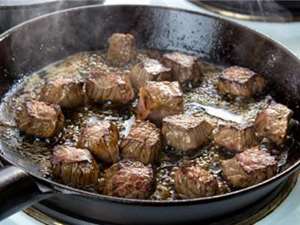
Pan-sear with sprigs of fresh rosemary, smashed garlic cloves, and top with a thin slice of European grass-fed butter during the resting phase.
Artisanal Beef Wellington
Sear the exterior quickly, wrap with savory mushroom duxelles and prosciutto, then bake in a flaky puff pastry crust for gourmet entertaining.
High-Protein Fitness Bowls
Slice thin across the grain and layer over a bed of quinoa, roasted cruciferous vegetables, and a light olive-oil drizzle for a balanced, high-protein meal.
How to Prepare Grass-Fed Tenderloin Steaks
01Safe Thawing: Place the vacuum-sealed pack in the refrigerator for 12–24 hours. Slow thawing helps retain moisture and improves texture.
02Prep & Seasoning: Rest the meat at room temperature for 15 minutes prior to cooking to encourage even heat distribution. Pat dry, coat lightly with oil, and season with coarse salt and black pepper.
03High-Heat Sear: For rare doneness, place in a preheated, high-heat skillet with minimal oil. Sear for 1–2 minutes per side, depending on thickness, then remove immediately.
04Medium-Rare Adjustment: Sear on high heat for 1 minute per side, then reduce to medium heat and cook an additional 2–3 minutes per side, depending on thickness.
05The Essential Rest: Rest the steaks on a warm cutting board for 5–10 minutes. This allows juices to redistribute evenly before slicing.
Gourmet Recipe Inspiration:
Incorporate premium steak cuts into your culinary rotation with these healthy and sophisticated concepts:
Bring clean, pasture-raised Australian culinary quality to your table today.
The Science of Grass-Fed Beef
Why pasture-raised Australian beef delivers superior functional nutrition.
01Fatty Acid Profile: Grass-fed beef typically contains higher levels of omega‑3 fatty acids and a more balanced omega‑6 to omega‑3 ratio.
02Micronutrient Profile: Forage-based diets may influence the beef’s micronutrient composition, including selenium and B vitamins such as niacin.
03Heme Iron Bioavailability: Provides iron in a highly bioavailable heme form, which is absorbed more efficiently than plant-based iron sources.
Nutritional Highlights
- High Protein: ~22g of lean protein per 100g serving.
- Lean Profile: Naturally lower in fat and calories.
- Responsibly Raised: From pasture-raised cattle.
- Essential Nutrients: Provides meaningful levels of selenium, niacin, and iron.
| Average Nutritional Values | Per 100 g |
| Calories | 153 kcal |
| Total Fat | 6.5 g |
| Saturated Fat | 2.4 g |
| Cholesterol | 65 mg |
| Sodium | 56 mg |
| Total Carbohydrates | 0 g |
| Protein | 22 g |
| Iron | 9% DV |
Storage & Shelf Life
Maintaining cold-chain integrity and product structure.
01Freezer (Long-term): Store at -18°C or colder. Keep sealed in the original vacuum packaging to help minimize the risk of freezer burn. For best quality, use within 6–12 months.
02After Thawing: Once thawed in the refrigerator, store in the coldest part of the fridge and consume within 1–2 days for best quality and safety.
Food Safety Guide
01Thawing (Avoid Room Temperature): Never leave frozen meat at room temperature or on the countertop. Bacteria can multiply on the surface before the center fully thaws.
02Refreezing: Meat thawed in the refrigerator can be refrozen, but quality may decline due to moisture loss. For best results, avoid refreezing when possible.
03Safe Handling: Use separate cutting boards for raw meat. Wash hands, knives, and surfaces thoroughly with hot, soapy water after handling.